
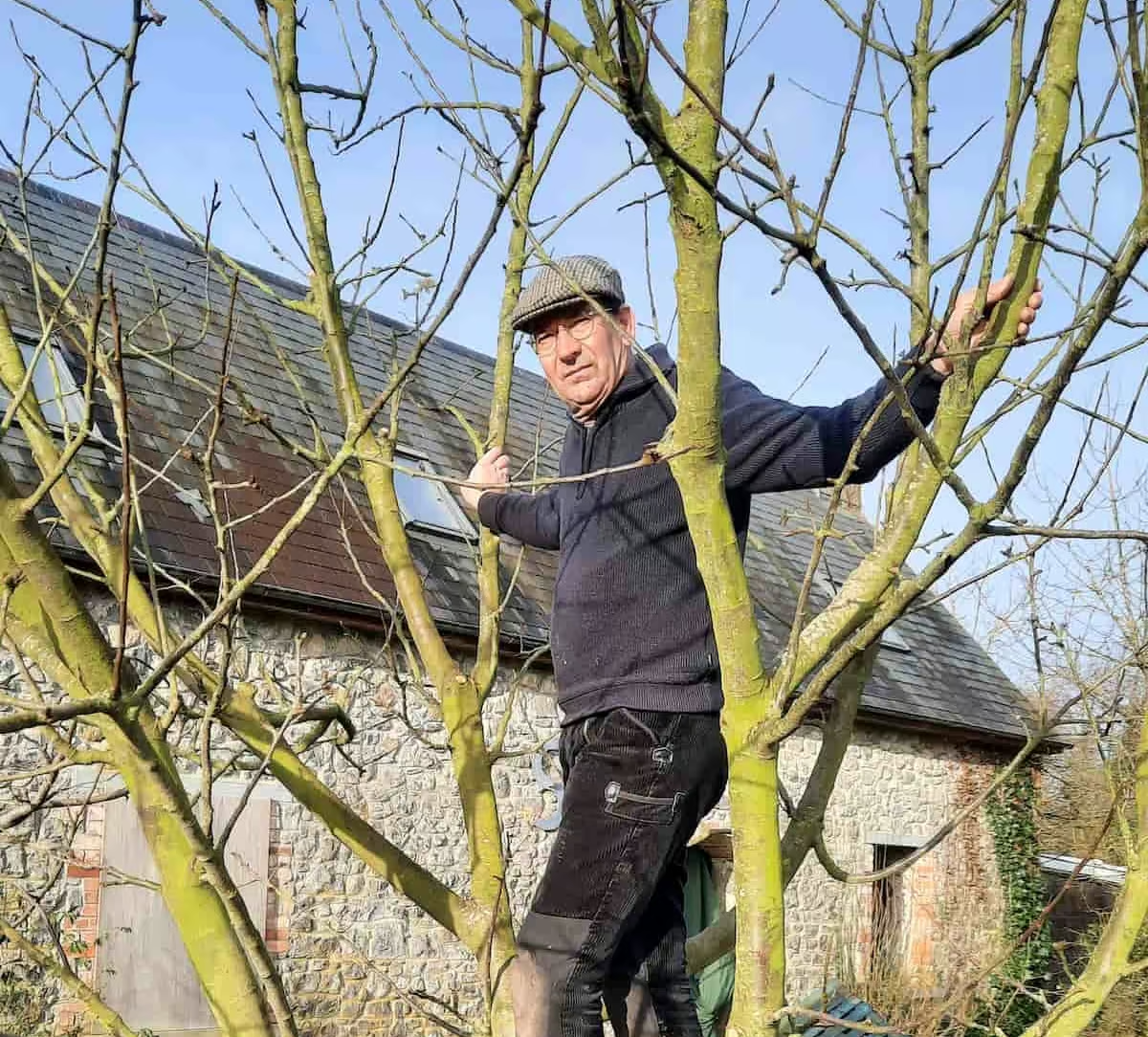
A Guide to Healthier Harvests
Winter is an ideal season for observing the structure of your fruit trees, as the bare branches reveal the framework that’s normally hidden by lush foliage. One of the most effective and accessible pruning techniques for fruit trees is shaping them into a goblet or wine glass shape. This approach not only enhances sunlight exposure but also promotes airflow through the center of the tree, which is vital for reducing disease and promoting healthy fruit production.
Why Choose the Goblet Shape?
The goblet shape—named after its resemblance to a wine glass—features an open center, free from branches, allowing sunlight to penetrate deep into the tree. This openness encourages even ripening of fruit, helps maintain tree health, and creates an environment that’s less susceptible to pests and diseases due to improved ventilation.
Getting Started with the Goblet Prune
If you’re looking to shape young trees or saplings, follow these steps:
- Select Strong Whips: Start with healthy, sturdy whips. For example, cider apple trees grafted onto M111 rootstock or seedling rootstocks work well with this training.
- Initial Pruning: Cut the main stem back to 30–45 cm (12–18 inches) above the ground. This encourages the development of strong, low branches that will form the base of your goblet.
- Creating the Frame: In the second year, select 3–4 strong branches as the main “leaders.” These will form the core structure of your tree. During July, carefully bend these leaders outward and secure them in place using soft ties or twine.
- Maintaining the Shape: Throughout the growing season, routinely remove any shoots that grow inward, as they disrupt airflow and clutter the tree’s interior.
This simple yet effective technique is perfect for many types of fruit trees and is particularly useful in temperate climates where fungal diseases thrive in humid, poorly ventilated environments.
Benefits of the Goblet Shape
- Enhanced Sunlight: Improved exposure for even ripening.
- Better Airflow: Aids in preventing disease by reducing humidity.
- Ease of Harvesting: An open structure makes it simpler to access fruit.
- Ideal for Cider Apples: This training style works excellently for cider apples, giving you better-quality fruit and a healthier tree.