Understanding Apple Canker in Ireland
Apple canker is a common disease affecting apple trees in Ireland, caused by the fungus Neonectria ditissima. This disease can cause significant damage to trees, reducing fruit production and potentially leading to tree death if left untreated. The infection typically begins through wounds in the bark, often caused by pruning, frost, or mechanical damage.
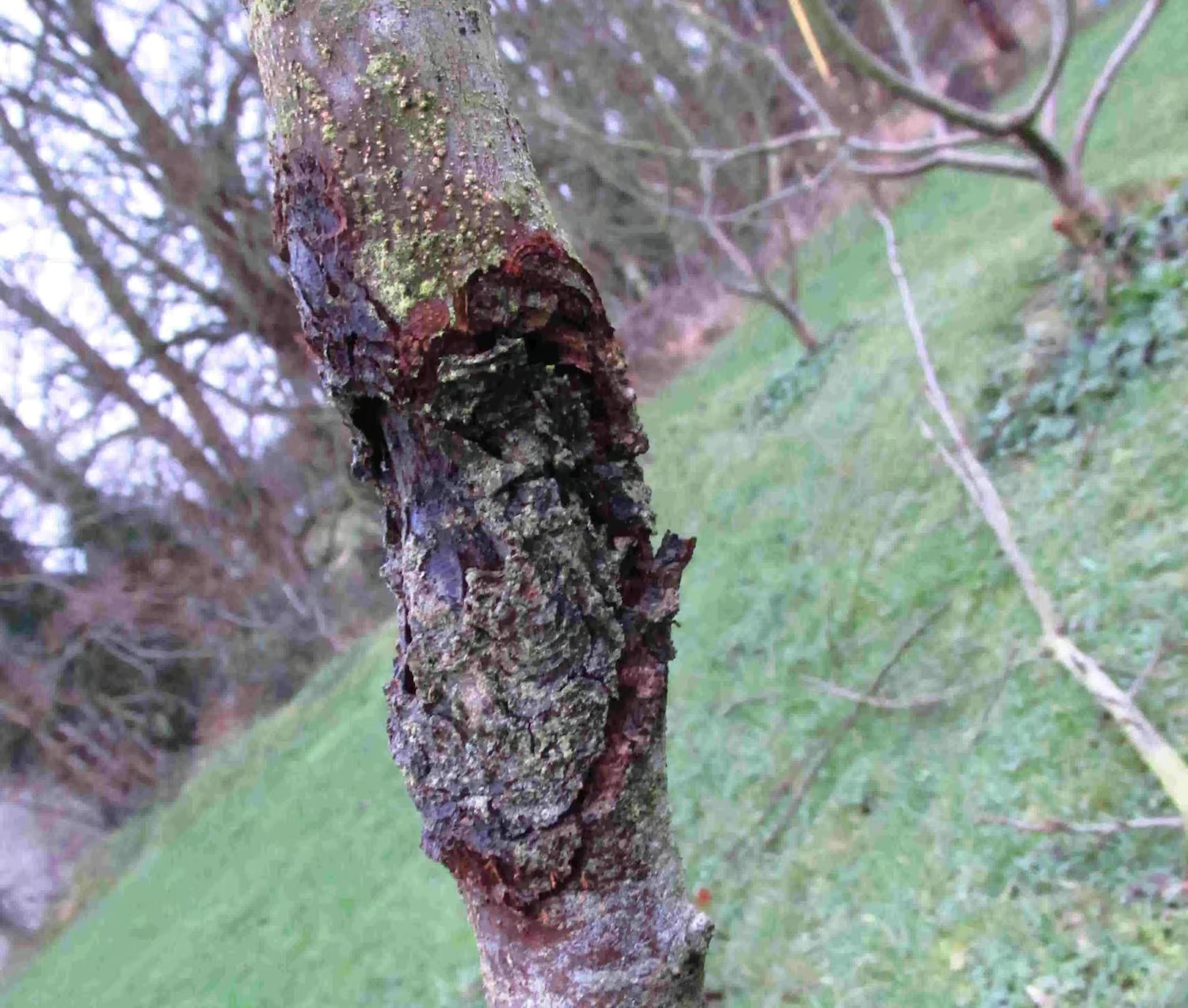
Symptoms include sunken, dark lesions on branches and trunks, with cracking bark and concentric rings forming around the infected area. In severe cases, branches may die back entirely. The disease thrives in Ireland’s damp climate, particularly during wet autumn and winter months when spores spread easily.
Prevention is key to managing apple canker. Gardeners and orchard owners should inspect trees regularly and prune during dry weather to minimize infection risks. Removing and destroying infected wood can prevent the disease from spreading. It’s also essential to plant resistant apple varieties, such as ‘Discovery’ or ‘Red Windsor,’ and maintain healthy trees through proper fertilization and mulching.
For those managing orchards or gardens, early intervention is vital. If you suspect apple canker, act promptly to prevent further damage and preserve your trees for future harvests. With careful management, Irish growers can enjoy thriving apple crops despite the challenges of this disease.
‘Bramley’ can be badly affected by the disease if the soil is not fertile enough. Most of our trees are pruned into goblet shapes. This allows for better ventilation and increased UV light penetration to the center of the tree, which helps reduce the risk of apple canker.
From November to March is the perfect time to tackle apple tree canker!
Prune away any infected shoots or branches, making clean cuts into healthy wood to stop the spread. Remember to dispose of the diseased material properly. Prune when the weather is dry and always avoid very cold spell.
Healthy trees = better harvests