
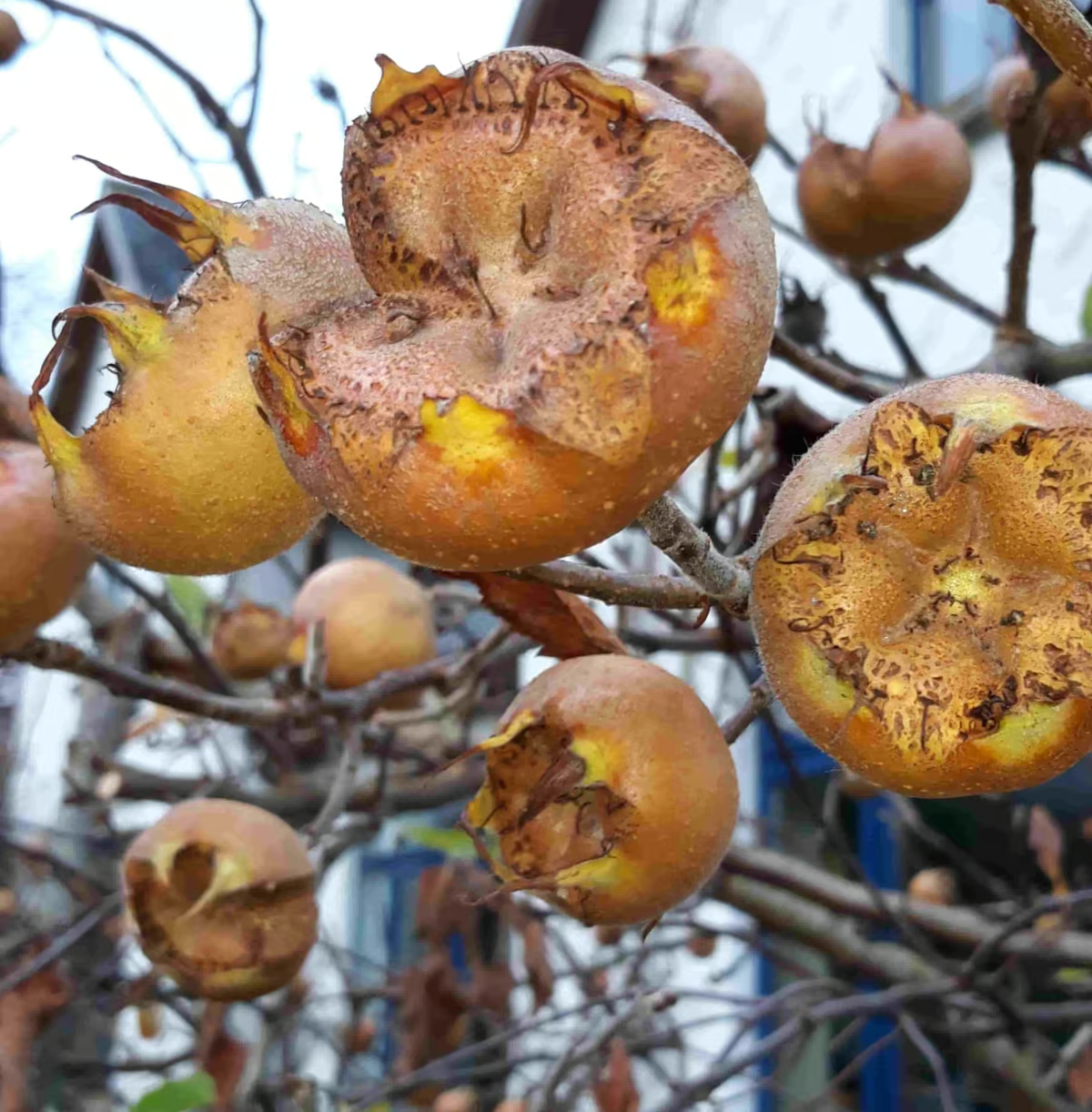
A unique and ancient fruit that adds character to any sustainable garden.
Part of the rose family, this hardy shrub grows well on a kitchen wall, where it’s shielded from strong winds. The medlar’s journey from tree to table is intriguing: it’s enjoyed only after bletting, a natural softening process that occurs post-frost. This makes the fruit sweet, complex, and ready to eat—transforming from something firm and inedible to something with a texture and flavor resembling a sweet chestnut.
What is Bletting?
Bletting is a gentle, natural ripening process where the fruit softens due to enzymes breaking down its tissues—similar to how sloes change after the frost. This process allows medlars to become tender and delicious, despite sometimes being described as “rotten.” But don’t let that deter you! In today’s world, where most foods are pasteurized and stripped of their natural forms, medlar’s old-world qualities are a refreshing change.
The Delightful Taste and Uses of Medlar
With a flavor profile similar to sweet chestnuts, medlars offer an earthy, subtly sweet taste. They’re perfect for making jams, chutneys, and even medlar cheese, a unique preserve that pairs well with breads and cheeses.
The medlar shrub itself is also visually appealing: in spring, it produces solitary white flowers that bring a touch of elegance to the garden. And the shrub’s low maintenance makes it an excellent choice for sustainable gardeners.
Planting a Medlar tree
Just be aware that medlar need a site that is well sheltered.
Medlar trees, while hardy, can be prone to wind damage due to their relatively shallow root systems and spreading growth habit. Strong winds can stress or uproot the tree, break branches, or damage fruit, particularly in exposed locations. To mitigate this issue, consider the following steps:
1. Choose a Sheltered Location
Plant medlar trees in a site that provides natural windbreaks, such as near hedgerows, fences, or buildings. In our garden, we grow it against a South facing wall.
2. Prune Wisely
Prune medlars to maintain an open structure and reduce wind resistance. Remove any damaged or crossing branches that could weaken the tree.
Medicinal and Traditional Uses
Historically, medlar has been valued for more than its fruit. The wood was used for crafting sturdy walking sticks, while the fruit was believed to aid digestion. Its leaves can even be brewed into a tea that soothes sore throats.
Now is the perfect time to plant a bare-rooted medlar, ensuring it has time to establish before the growing season. Adding medlar to your garden not only introduces a unique fruit but also connects you to a sustainable tradition that celebrates flavor, resilience, and simplicity.