
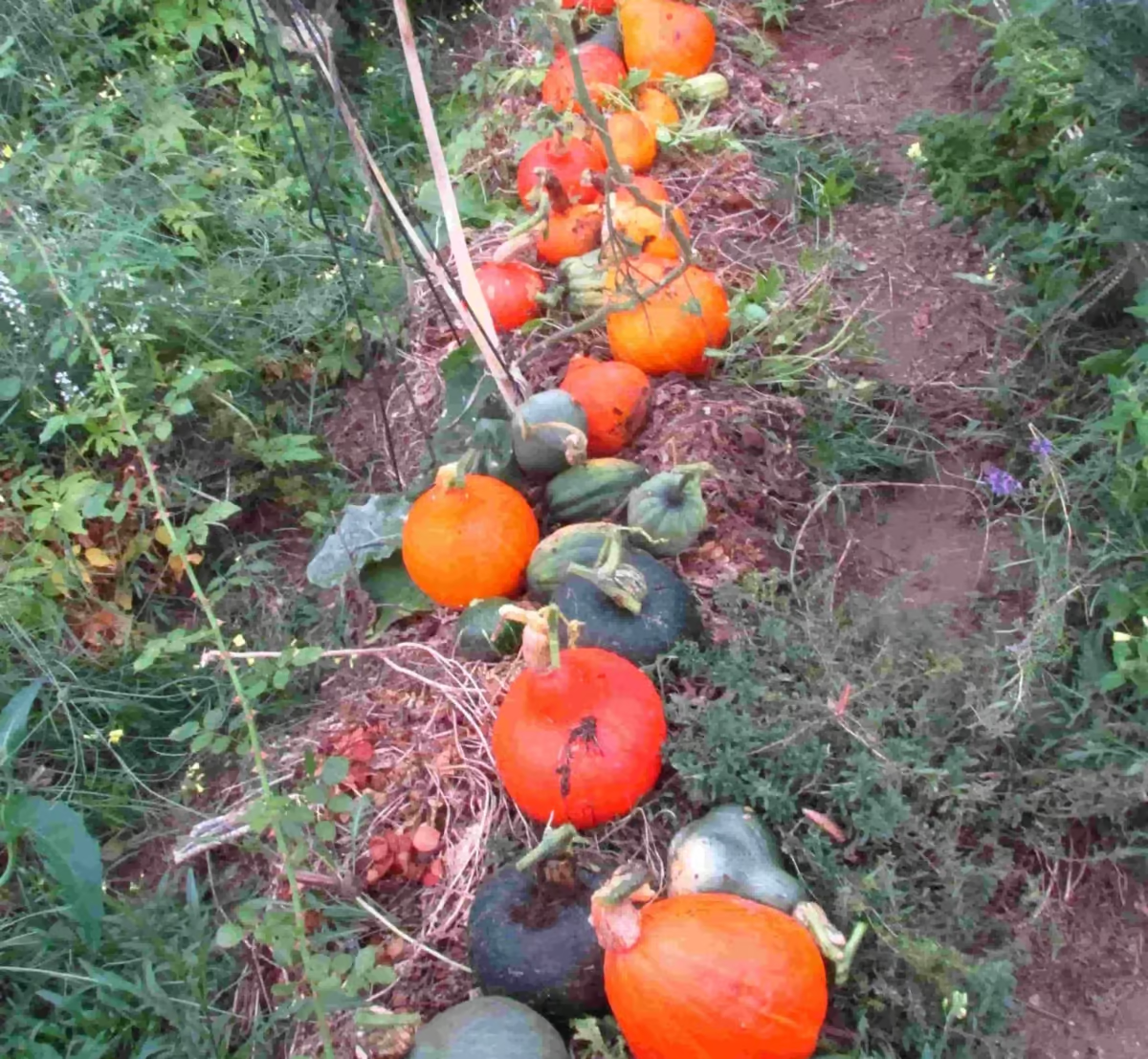
The answer is yes! Your homegrown pumpkins and squash can become toxic due to accidental cross-pollination. This can occur when pollinators like bees unknowingly transfer pollen from non-edible gourds to your edible varieties. Non-edible gourds, often used for decoration, may look charming on your autumn table or porch and can be dried for decorative purposes, but they are not safe to eat. This natural yet risky mix-up is one reason why seed savers who grow cucurbits often resort to hand-pollination. By manually transferring pollen and carefully sealing the flowers with a small band, they can ensure that no pollinators interfere, preventing the transfer of pollen in an uncontrolled manner.
The consequence of this accidental cross-pollination? A bitter and toxic pumpkin. The primary warning sign is simple: if your squash or pumpkin has a bitter taste, do not eat it!This bitterness is caused by a compound called cucurbitacin E, a naturally occurring toxin that can develop in gourds due to certain growing conditions or cross-pollination. While rare, the consumption of cucurbitacin can lead to serious health issues, ranging from nausea to dizziness, vomiting, and even more severe symptoms in extreme cases.
We experienced this danger firsthand when we grew squash from seeds we had purchased. After harvesting the squash, we cooked it as usual, but immediately noticed a terrible bitterness. Despite tasting just a small spoonful (about a teaspoon), the effects were fast and alarming. Both dizziness and nausea set in almost immediately. Fortunately, we recognized the warning signs quickly and stopped eating, avoiding more serious consequences. This incident underscored the importance of being cautious with homegrown gourds and recognizing the risks of accidental cross-pollination.
As gardeners, we often enjoy having a diversity of crops growing in harmony, but it’s crucial to be aware of the potential for cross-pollination and the risks it may bring to your harvest.
To avoid this, hand-pollinating cucurbits is the most reliable way to maintain control over your crop’s genetics. Additionally, always save seeds from trusted sources and avoid using seeds from non-edible varieties in your garden. If you do notice bitterness in any cucurbit crop, discard it immediately. It’s a good practice to taste a small amount before cooking the entire batch to ensure it’s safe for consumption. This simple step could protect you and your family from the unpleasant and potentially harmful effects of cucurbitacin.
So remember, if your pumpkin or squash tastes bitter, trust your taste buds! It’s nature’s way of warning you that something’s off. With a few precautions, you can enjoy a safe and bountiful harvest while avoiding the hidden dangers of uncontrolled pollination.
Bitter pumpkinsCucurbitacin E toxicityCross-pollination risksHand-pollinationNon-edible gourdsSafe gardening practices