
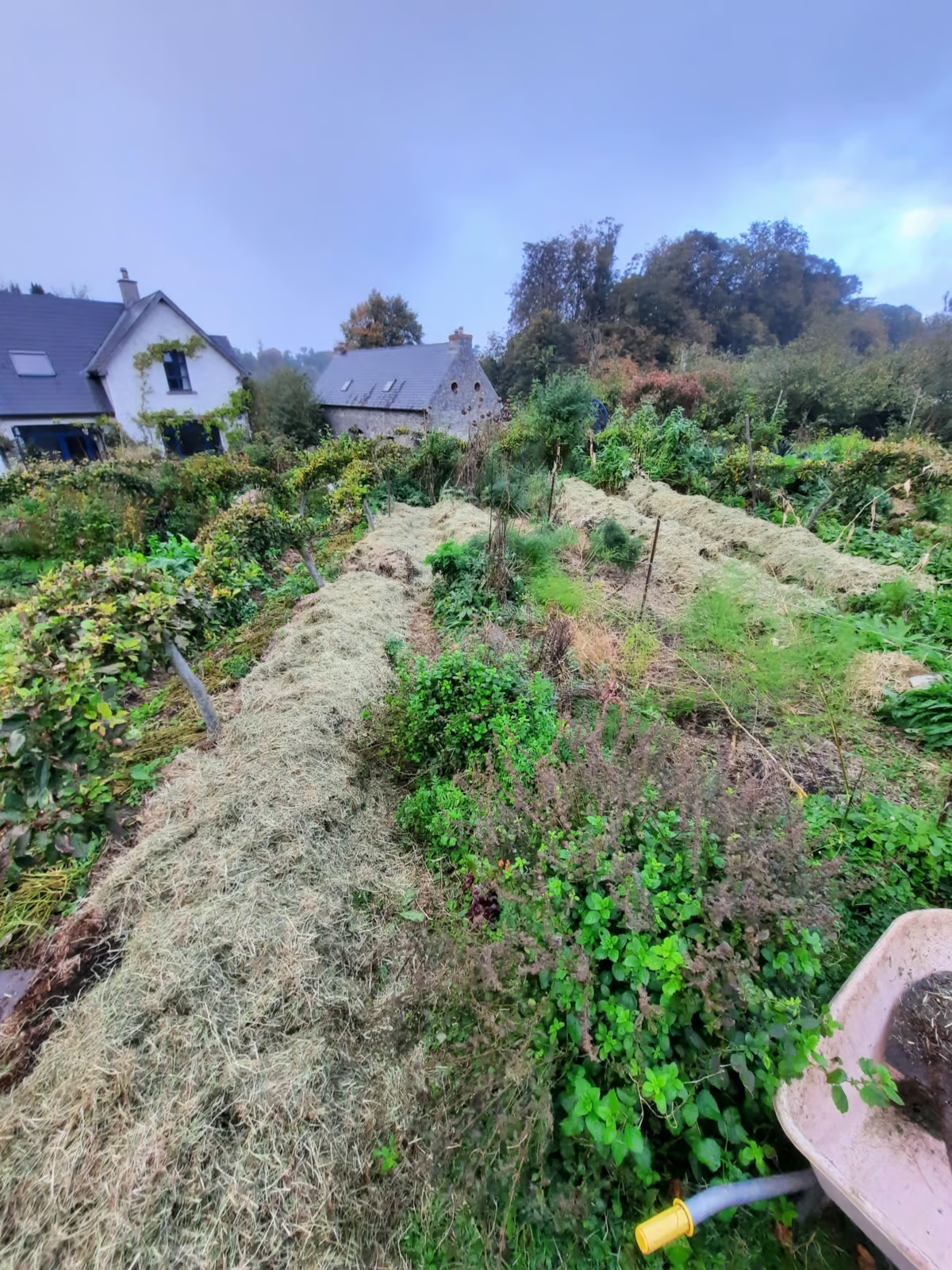
Late autumn is ideal for mulching garden beds, creating a protective layer to shield soil and suppress weeds. The cooler temperatures make it difficult for most weeds to break through a dense, 20 cm mulch layer. Winter mulching also helps capture and conserve seasonal rainfall, with shorter days and dormant plants allowing moisture to penetrate deeply into the soil, replenishing it for spring.
Choosing the right mulch is key. Hay is a great option due to its density, offering excellent coverage that effectively blocks light and prevents weed growth. In contrast, straw may sometimes contain herbicides, so it’s best to avoid it if you’re aiming for a chemical-free garden. Leaves are also fantastic, especially when placed between beds to create dry pathways—perfect for harvesting winter crops like leeks and parsnips.
While compost is beneficial, using it as a top mulch layer can be inefficient, especially if you don’t have a large supply. Additionally, heavy winter rains can cause compost nutrients to leach, potentially contaminating the water table. Instead, save compost for spring, when it can be mixed directly into the soil, maximizing its nutrient benefits. It would be better to grow green manure instead!
Embracing these mulching practices can create a healthier, more resilient garden and lay the foundation for a productive spring growing season.