
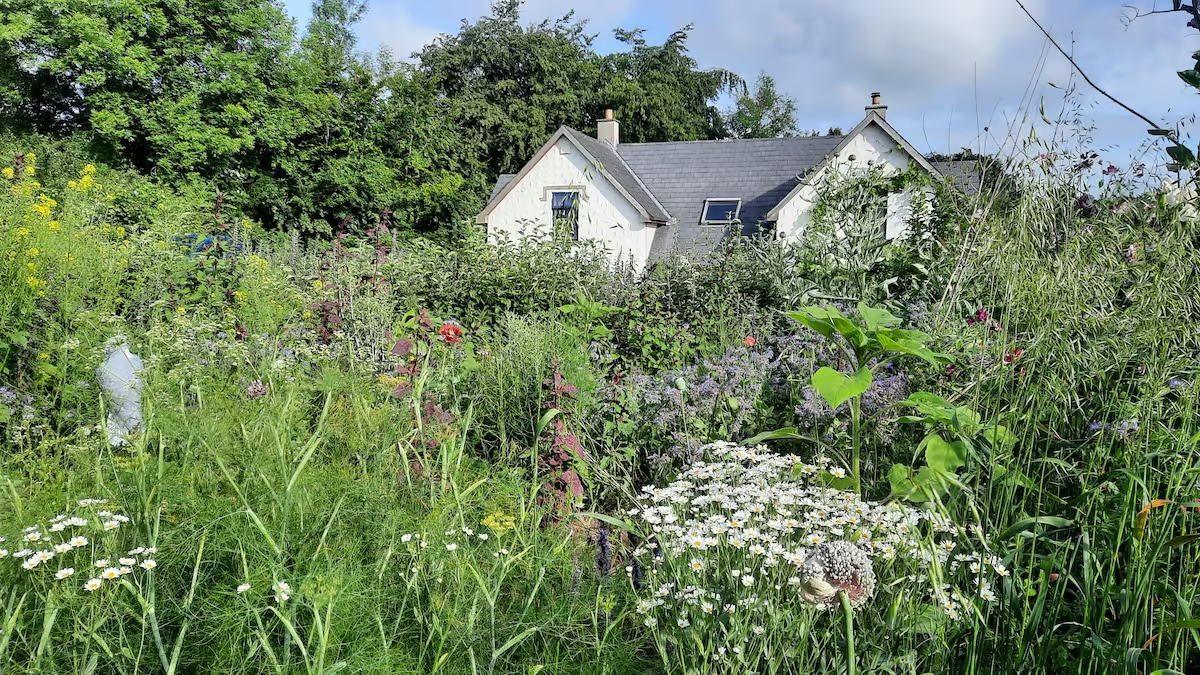
Growing your own food is not just about creating a self-sufficient food source. It’s a therapeutic journey that connects you with nature, enhances your well-being, and fosters a sustainable lifestyle. For those following the ethos of Dunmore Country School, gardening is about learning, connecting with the earth, and cultivating joy. Even with a small garden or a single pot, you can begin growing vegetables and herbs that bring fresh, flavorful produce straight to your kitchen.
Start Small and Set Yourself Up for Success
The idea of starting a vegetable garden can feel overwhelming, but it doesn’t have to be. Beginning with small, manageable steps is key. Start with container gardening, which is perfect for beginners with limited space. Plant only the vegetables and herbs you actually enjoy eating, making each harvest more rewarding. Herbs like parsley, basil, and rosemary thrive in pots and make a great introduction to gardening.
Key Tips for a Flourishing Home Garden
Dunmore Country School emphasizes the importance of proper planning and simple techniques to make gardening accessible for everyone. Here are some essential tips to get you started:
- Choose a Suitable Location:
Like people, plants need plenty of sunlight and access to water. Place your pots or beds in areas that get sunlight most of the day, avoiding high-traffic areas to prevent accidental damage. - Use High-Quality Soil and Compost:
The foundation of a successful vegetable garden lies in rich, well-nourished soil. For container gardening, choose a compost mix that retains moisture while providing ample nutrients, Klassmann compost is a very good choice. Consider mulching your soil with organic materials like leaves, hay, grass clippings, hedge clippings for healthy plant growth. - Make lazyd Beds for Efficiency and Ease:
If you have the space, lazy beds are a fantastic choice. They offer better drainage, are easier to work with. Lazy beds also allow for strategic planting using systems like the three sisters companion planting. - Begin with Salad Crops and Hardy Vegetables:
Start your gardening journey with easy-to-grow crops like salad greens, spring onions, and beets. These crops are beginner-friendly and relatively pest-free, giving you the confidence to expand your garden over time.
Plan Your Garden for Maximum Yield
To get the most out of your garden, consider planting high-yield crops that you frequently use, like tomatoes, carrots, and potatoes. Planning goes beyond crop choice—it involves determining how much you can realistically grow and maintain. Beginners often start with a few plants, then scale up as they learn more about managing their garden.
Containers: A Space-Saving Option for Home Gardeners
Don’t let limited space deter you from growing your own food. Many vegetables and herbs can be grown in containers with the right soil and watering techniques. Start small with pots for herbs and leafy greens, and gradually move to larger containers for crops like carrots and potatoes. A well-planned container garden can provide a surprising amount of food without taking up much room.
Create Your Own Compost for Sustainable Gardening
Composting is an invaluable addition to any home garden. By reusing garden and kitchen waste, you not only reduce waste but also create nutrient-rich compost that feeds your plants and improves soil health. Compost can be made with a simple pile or in a dedicated bin, and it’s especially beneficial for gardens growing high-demand vegetables and fruits.
Microgreens: The Perfect Indoor Crop
For those looking to grow food indoors or extend the growing season, microgreens are an excellent choice. These nutrient-dense young greens can be grown on a sunny windowsill and are ready for harvest within a few weeks. Varieties like radish, broccoli, and mustard are particularly easy to grow and make a nutritious addition to salads, soups, and sandwiches.
Herb Gardening: Add Flavor and Fragrance to Your Life
An herb garden, whether on a windowsill or outside, is an ideal starting point for new gardeners. Herbs are versatile and can grow well in small pots, making them perfect for apartments or limited spaces. Basil, thyme, rosemary, and parsley are easy to grow and add fresh flavors to your cooking.
Dealing with Garden Challenges: Learn and Adapt
Gardening is a continuous learning experience. Pests, weather, and even overplanting can present challenges, but don’t let this discourage you. Start small and gradually expand as you gain confidence. Learning from these experiences will only improve your gardening skills and deepen your connection with the process.
Making Gardening Fun and Rewarding
Above all, gardening should be enjoyable. It offers a chance to unwind, stay active, and spend time outdoors. Gardening can become a creative outlet and a rewarding way to spend your free time. Harvesting food you’ve grown yourself is immensely satisfying, and sharing it with friends or family adds another layer of enjoyment.Grow your own seedlings:
It is such a joy to grow your own food from seeds. It really add another dimension to your experience. Start with easy one like radish that can be sown direct.
Conclusion: Embrace Your Gardening Journey
There’s no better time than now to begin growing your own food. Whether you’re planting a few herbs on your windowsill or filling a raised bed with a variety of vegetables, every step is a step toward a more sustainable, self-sufficient lifestyle. Remember that Dunmore Country School is here to guide you on your journey, offering advice, resources, and support as you cultivate your garden.