
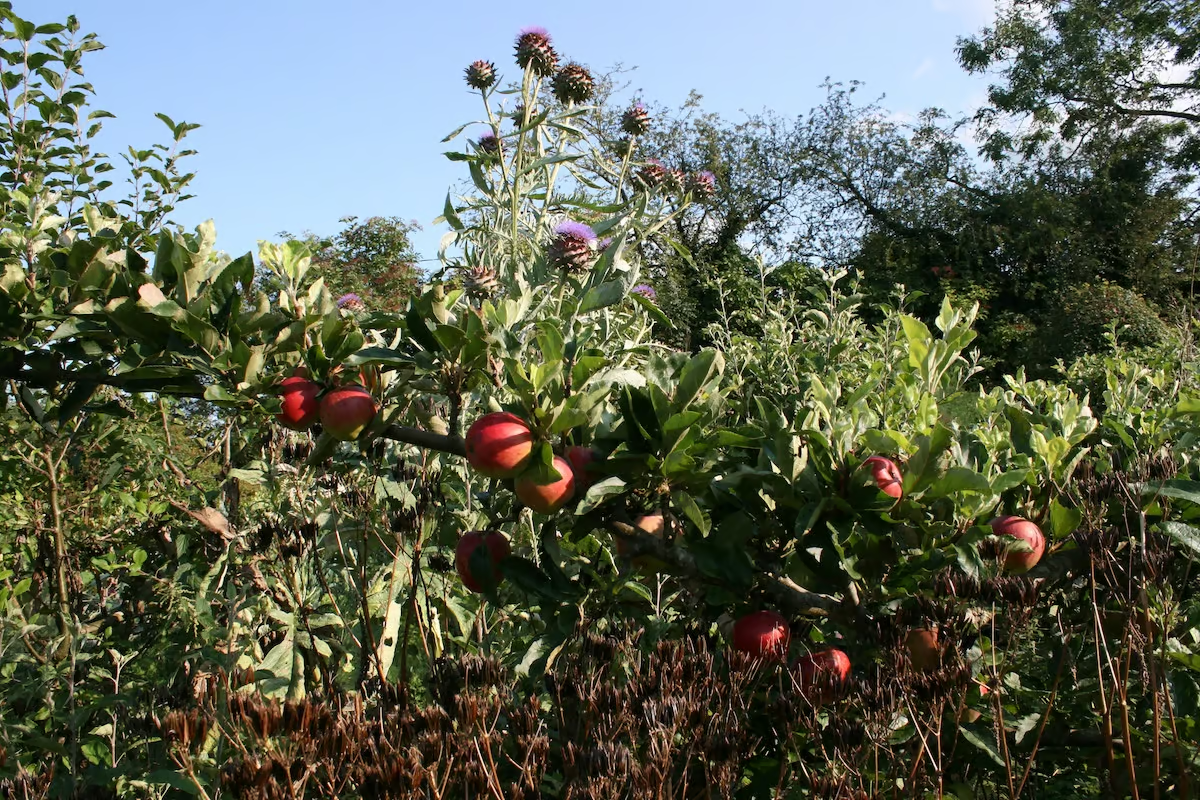
Edible Landscaping
Edible landscaping, also known as foodscaping, merges beauty and utility by creating lush, visually appealing landscapes that also provide fresh, homegrown food. This trend has deep roots in traditional practices, like the “jardin de curé” in France, and is now being reimagined through modern principles such as permaculture and syntropic gardening. Pioneered by leaders in sustainable gardening, like Dunmore Country School, these approaches emphasize working with nature to create thriving, regenerative ecosystems that benefit the gardener and the environment alike.
Foodscaping is more than just mixing vegetables and flowers; it’s a holistic way to grow food that fosters biodiversity, encourages organic methods, and sequesters carbon. By viewing gardens as mini-ecosystems, edible landscapers can create beautiful, resilient, and productive spaces, even in small yards or restrictive settings.
Why Embrace Edible Landscaping?
- Maximizes Food Production in Small Spaces
In urban settings, space is often limited, but with thoughtful edible landscaping, even a small yard or balcony can become a productive food source. Compact crops, like dwarf fruit trees and kale, or vertical gardening techniques, like trellised beans and cucumbers, optimize growth in tight spaces. Try to mimic a forest with its different layers! - Enhances Biodiversity
Foodscaping with diverse plant varieties ensures that there are blooms, fruits and seeds throughout the growing season, offering sustenance for pollinators, birds, and beneficial insects. This biodiversity helps create a balanced ecosystem, reducing the need for pesticides and improving soil health. - Supports Food Self-Sufficiency
Growing even a small portion of your own food can reduce reliance on supermarket produce, which often travels long distances before it reaches our kitchens. The main benefit for you is the incredible freshness of the produce. Foodscaping allows people to take food production into their own hands, contributing to a resilient food system. - Encourages Organic Gardening
Since edible plants are intended for consumption, foodscaping naturally discourages the use of pesticides and synthetic chemicals, making organic gardening methods the norm. This approach supports soil health, conserves water, and ensures safer, more nutritious food. - Sequesters Carbon and Enriches the Soil
Edible landscaping techniques such as mulching, composting, and planting perennial crops enrich the soil and help sequester atmospheric carbon. This contributes to environmental sustainability and climate resilience.
The Permaculture and Syntropic Gardening Ethos
At institutions like Dunmore Country School, the emphasis on permaculture and syntropic gardening is central to our teaching and practice of edible landscaping. Permaculture, which focuses on designing self-sustaining systems, encourages gardeners to use natural processes to build fertile, resilient soils, conserve water, and attract beneficial insects. Syntropic gardening builds on this by mimicking natural forest systems, encouraging dense plantings, and fostering cooperation among plant species, creating a mutually beneficial ecosystem. These practices are invaluable in edible landscaping, where both aesthetic appeal and productivity are important goals.
Key Permaculture Principles in Edible Landscaping:
- Observe and Interact
Observing sunlight, wind patterns, soil quality, and water availability allows you to design a garden that thrives within your local ecosystem’s conditions. - Catch and Store Energy
Techniques like mulching, water catchment, and composting help retain and recycle energy within the garden, making it more sustainable and productive. - Use Small and Slow Solutions
Starting small helps avoid overwhelm and allows you to fine-tune your design as you learn. For instance, planting annuals while waiting for perennials to mature is a simple way to maximize productivity without rushing the process.
Designing Your Edible Landscape: Steps and Ideas
Step 1: Plan Your Layout
- Analyze Your Space
Consider the layout, existing structures, and natural elements like trees, fences, or shaded spots. Note areas that receive the most sunlight, as these are prime locations for sun-loving edible plants and most of the vegetables we grow in Ireland. - Pathways and Accessibility
Plan pathways for easy access, and arrange your plants to create visual layers. Paths of mulch or short meadows not only provide structure but also help define areas for different types of plants. - Consider Your Climate
Select plants suited to your climate, factoring in seasonal rainfall, temperature ranges, and frost dates. Hardy perennials are particularly useful in creating low-maintenance, sustainable gardens. A polytunnel can be a good addition too. You will grow tomatoes, melon, basil that would be more difficult to grow outdoor.
Step 2: Select Your Plants
Creating a balanced edible landscape means choosing plants that not only complement each other aesthetically but also provide year-round yields. Here are some key choices:
- Foliage Crops
- Kale and Chard: With long-growing seasons and attractive foliage, these plants add texture and color. Rainbow chard, for instance, is especially striking with its multi-colored stems. Try ‘Kakette’, a very strong hybrid from he USA beween kale and Brussel sprouts.
- Perennial Herbs: Rosemary, sage, thyme, mint and leonorus cardiaca are attractive, aromatic, and attract pollinators.
- Trees and Shrubs
- Dwarf or Semi-Dwarf Fruit Trees: Compact varieties of apple, pear are perfect for small spaces. Columnar apple trees, which grow narrowly upward, are a low-maintenance choice that fits well in limited space.
- Nut Trees: Hazelnut or cobnut trees add visual interest with their unique catkins and offer a source of fresh nuts for the kitchen as well as pollen for pollinators in February.
- Edible Flowers
- Nasturtiums, Calendula, Pansies and Borage: These add color and can be used in salads or as garnishes. Nasturtiums also act as a natural pest deterrent, benefiting the entire garden.
- Native Flowers and Pollinator Plants
- Native Wildflowers (weeds): Native plants are adapted to local conditions and typically require less maintenance. These attract native pollinators, which are essential for a healthy ecosystem. Nettles are called the butterflies plant. They are very important plants for tthe overall health of your kitchen garden.
- Perennial Vegetables
- Asparagus, Rhubarb, Daubenton cabbage and Jerusalem Artichokes: These perennial vegetables return each year, providing a steady food supply with minimal upkeep.
Step 3: Implement Syntropic Gardening Techniques
Syntropic gardening, which mimics the natural growth patterns of forests, is especially useful in edible landscaping. By planting in layers and using succession planting, you can create a mini-ecosystem that sustains itself.
- Succession Planting: Plant fast-growing crops like radishes and lettuce among slower-growing vegetables or perennials. This provides immediate yields and helps protect young plants by shading the soil and retaining moisture.
- Layered Planting: In syntropic gardens, plants are layered vertically—ground cover crops below shrubs, and shrubs below trees—just as they would grow in a natural forest. This increases biodiversity and makes optimal use of sunlight.
Step 4: Maintain and Nurture
Edible landscapes require ongoing care, but permaculture techniques make this care simpler and more intuitive over time.
- Mulching and Soil Health
A key element in permaculture and syntropic systems, mulching retains moisture, suppresses weeds, and slowly adds organic matter to the soil. - Composting and Nutrient Cycling
Composting plant debris, flower stalks provides free fertilizer that helps maintain the health of your soil and plants. - Observing Seasonal Changes
As your foodscape matures, observe how plants respond to seasonal shifts. Use these observations to adapt your planting strategies, expanding with more plants that thrive and adjusting placement if needed. Pruning is also very a important management’s tool.
A Living Example: The Edible Landscaping Project in County Mayo
The Edible Landscaping Project in County Mayo, Ireland, is a community-led initiative that embodies the ethos of permaculture and edible landscaping. Volunteers and local groups planted apple trees and created an edible forest garden at the National Museum of Country Life, demonstrating the power of community and education to create lasting environmental impact. The project provides both a sustainable food source and a learning environment for climate awareness, underscoring the importance of edible landscaping in public spaces.
Final Thoughts: Growing with the Land, Not Just on It
Edible landscaping is more than a gardening trend; it’s a shift in perspective that sees plants as part of an interdependent system. By embracing permaculture and syntropic gardening principles, gardeners can transform ordinary spaces into regenerative landscapes that support both human and environmental health.
For beginners and seasoned gardeners alike, the joy of growing one’s own food, combined with the aesthetic satisfaction of a beautifully designed landscape, is deeply rewarding.